Solutions
Mobile Observation Unit
Autonomous monitoring wherever infrastructure is unavailable
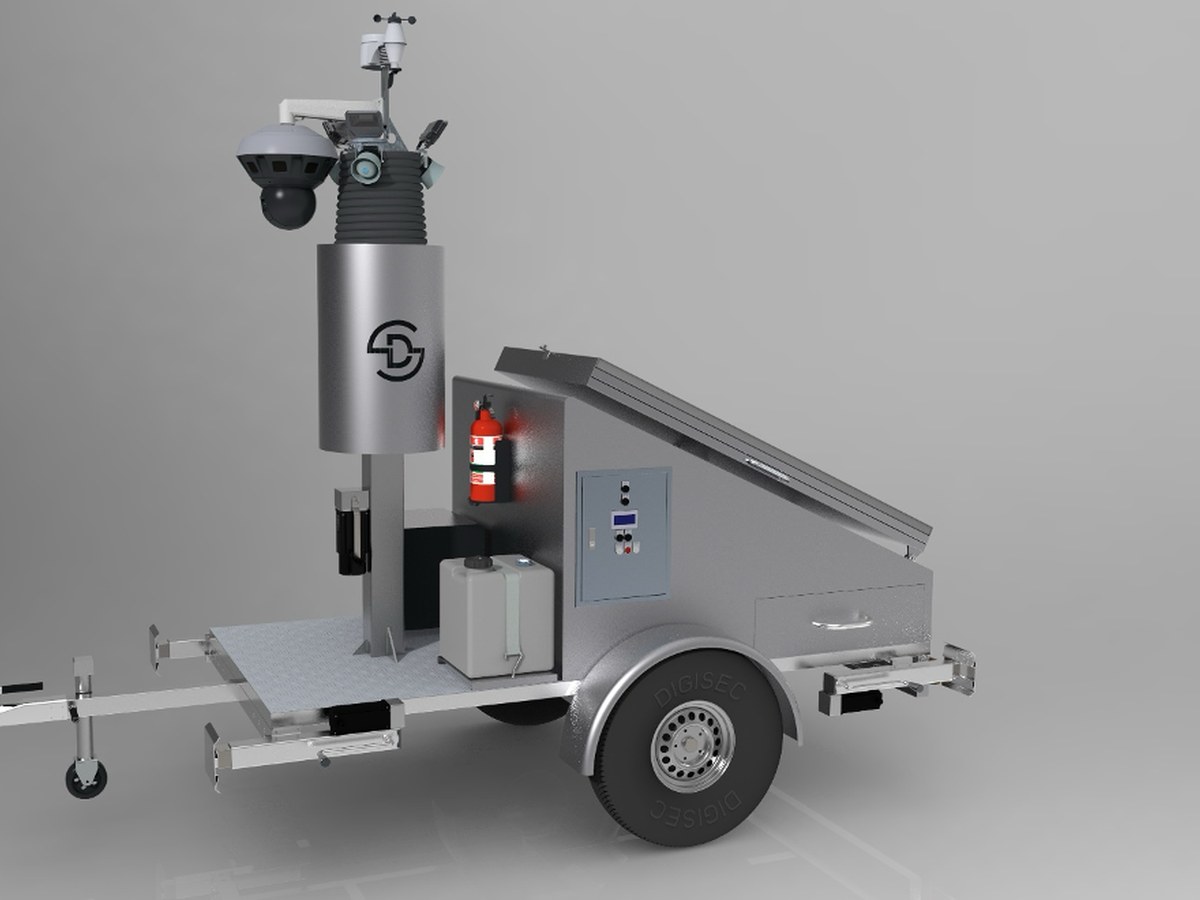
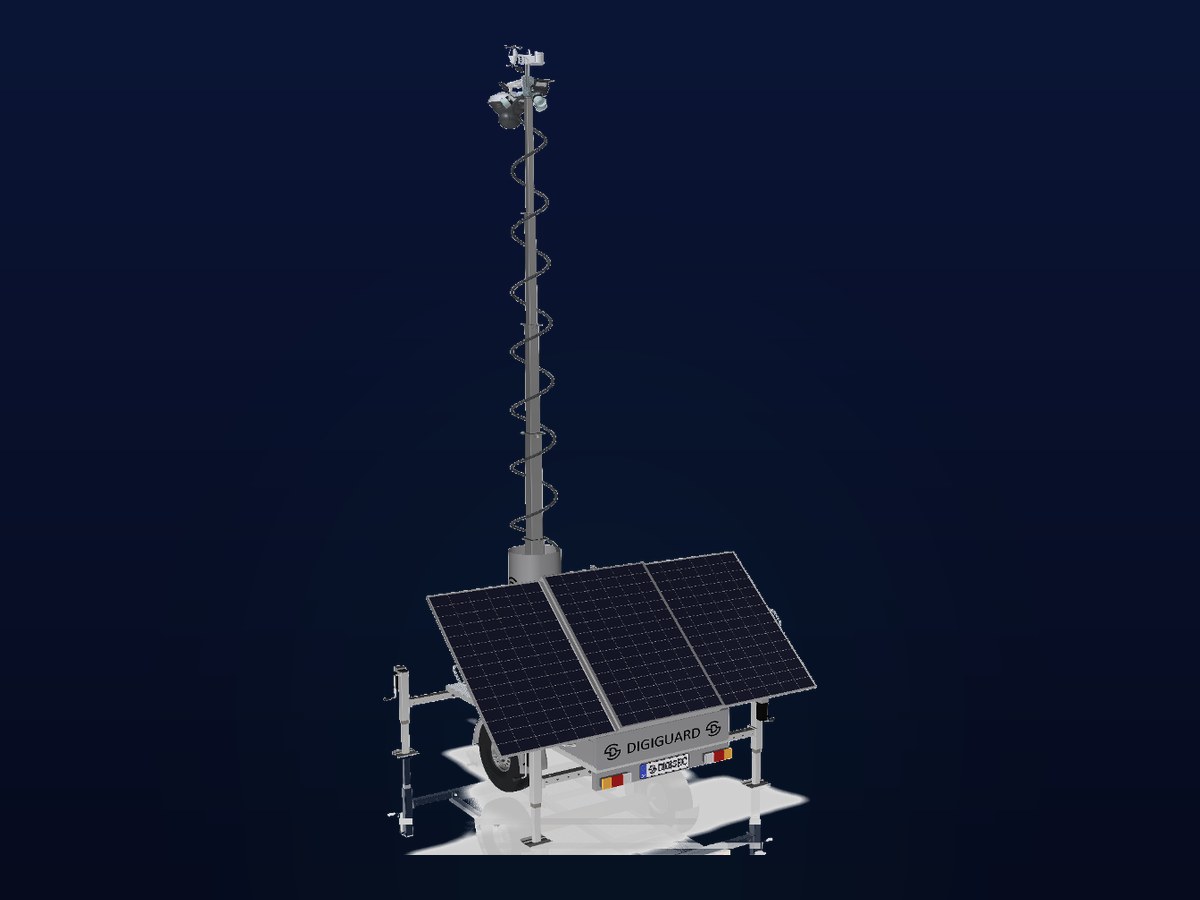
The Mobile Observation Unit is IRIDA's transportable, off-grid surveillance and monitoring platform, designed for temporary, remote or rapidly changing environments where permanent infrastructure is unavailable or impractical. Mounted on a towable platform and equipped with a telescopic mast, autonomous power system and remote communications, the unit can be deployed quickly and configured for different applications including wildfire detection, security surveillance and wildlife monitoring.
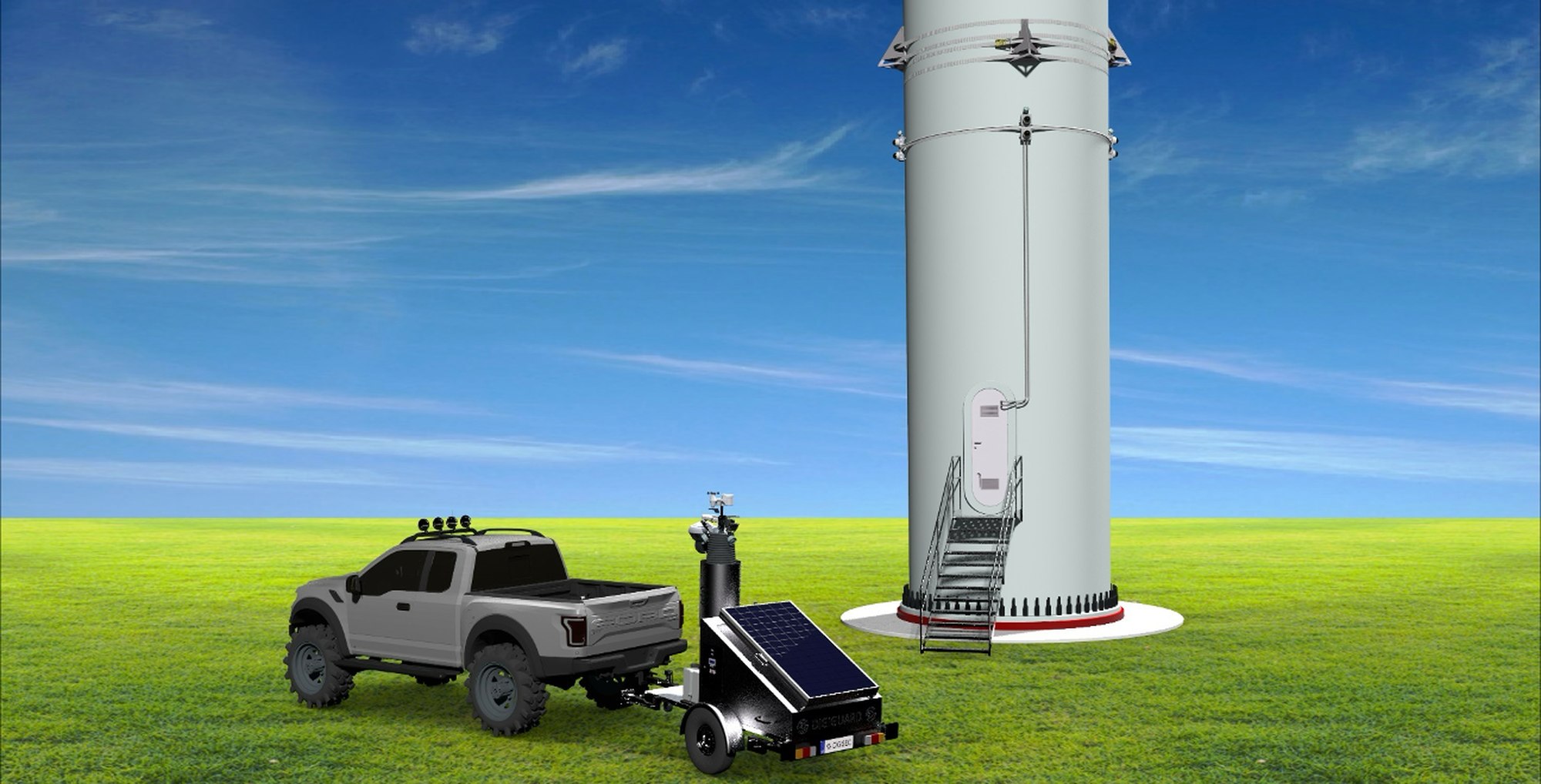
One platform. Forest, Security or Wildlife. Ready in minutes.
What it does
Powered by photovoltaic panels and deep-discharge battery systems, the Mobile Observation Unit can operate autonomously for extended periods while transmitting data to remote monitoring platforms through mobile or satellite communications.
Its modular architecture allows different sensors and subsystems to be added according to the application, making it a flexible monitoring platform rather than a single-purpose device.
How it works
A telescopic mast, reaching up to approximately 7 metres, elevates the monitoring sensors above surrounding vegetation and obstacles to improve visibility and detection coverage.
The unit is transported by road, positioned where monitoring is most urgently required, deployed in less than approximately 10 minutes and relocated as operational priorities change.
Data is processed locally or transmitted to the remote monitoring platform through mobile or satellite communications, where events can be reviewed and verified.
Designed for
- Forest fire monitoring and high wildfire-risk zones
- Remote forests, protected areas and seasonal fire-prevention campaigns
- Construction sites, warehouses and logistics areas
- Remote industrial facilities and vacant or unmanned locations
- Pre-construction environmental studies and wildlife activity surveys
- Bird, mammal and migration monitoring
- Biodiversity studies and environmental impact assessments
- Areas without permanent power or communications infrastructure
Mobile Observation Unit — Forest
Autonomous wildfire monitoring for remote and high-risk areas
Mobile Observation Unit Forest is a rapidly deployable wildfire detection and monitoring platform designed for forests, remote locations and temporary high-risk areas where fixed surveillance infrastructure is not available. The system combines an elevated observation position, autonomous power and advanced fire-monitoring sensors to provide continuous surveillance without requiring permanent construction or grid connection.
The unit continuously monitors the surrounding area for signs of potential wildfire activity — abnormal heat signatures, smoke, potential fire points and changes in environmental conditions associated with fire risk. When a relevant event is identified, the system can generate an alert and transmit images, event information and location data to remote operators or monitoring centres.
One of its key advantages is portability: transported by road, positioned where monitoring is most urgently required, deployed in less than approximately 10 minutes and relocated as fire risk or operational priorities change. This makes it particularly valuable during periods of elevated wildfire risk, construction activity or temporary environmental monitoring campaigns.
Depending on project requirements, the Forest configuration can include:
- Thermal wildfire-detection cameras
- High-resolution visible cameras
- Weather monitoring equipment
- Acoustic monitoring
- Two-way audio communication
- GPS positioning
- Remote communications
- Cloud-based monitoring and alerting
Deploy fast. Monitor remotely. Detect earlier.
Mobile Observation Unit — Security
Autonomous surveillance for temporary and remote locations
Mobile Observation Unit Security is a transportable, self-powered surveillance platform designed for sites requiring rapid deployment and continuous remote monitoring without permanent security infrastructure. It provides an effective solution for construction sites, industrial areas, temporary facilities and remote locations where conventional CCTV installation may be impractical.
The system provides continuous visual surveillance of the surrounding area through high-resolution CCTV cameras mounted on an elevated telescopic mast. Operators can remotely monitor activity, review recorded footage and receive alerts from the site without requiring permanent on-site personnel.
The telescopic mast raises the cameras to provide a wide and unobstructed field of view. Depending on the configuration, the unit can include fixed cameras, PTZ cameras, thermal imaging and intelligent video analytics. The system operates independently using solar panels and battery storage and can transmit live video and event data through mobile or other available communications networks.
Depending on project requirements, the Security version can be equipped with:
- High-resolution CCTV cameras
- PTZ cameras
- Thermal imaging
- Motion and intrusion detection
- Two-way audio
- GPS tracking
- Weather monitoring
- Remote notifications
- Cloud-based video and event access
Mobile surveillance. Autonomous operation. Continuous visibility.
Mobile Observation Unit — Wildlife
Autonomous wildlife and biodiversity monitoring from a mobile platform
Mobile Observation Unit Wildlife is designed for environmental monitoring campaigns where researchers, developers or environmental consultants require a temporary, autonomous observation station in areas without existing infrastructure. It combines the mobility and off-grid capability of the Mobile Observation Unit with IRIDA's experience in wildlife detection, bird monitoring and environmental data collection.
The system continuously records wildlife activity within the monitored area — birds, mammals, nocturnal wildlife, animal sounds and environmental conditions, depending on the installed sensors — creating valuable datasets for environmental studies, biodiversity monitoring and project development. Recorded information can be transmitted to a remote platform for review, analysis and reporting.
High-resolution optical and, where required, thermal cameras are installed on the telescopic mast to provide elevated coverage of the study area, while additional acoustic and environmental sensors can be integrated into the platform. AI-based algorithms can assist with wildlife detection, tracking and classification — and for bird-monitoring applications, the platform can incorporate functionality derived from the Bird Protect™ monitoring architecture.
Designed for areas where electricity and communications infrastructure may not exist, the unit operates on solar power and deep-discharge batteries with 4G/5G or alternative remote communication systems and cloud-based data storage. It can remain in place for extended monitoring campaigns and then be relocated to another observation point when required.
Deploy anywhere. Observe continuously. Understand more.
Key advantages
- Rapid deployment in under 10 minutes
- Autonomous off-grid operation
- Up to 7 m telescopic monitoring mast
- Configurable for Forest, Security or Wildlife applications
Why Mobile Observation Unit
The Mobile Observation Unit brings advanced monitoring to locations where a permanent installation would be difficult, slow or uneconomical. Its combination of mobility, autonomous operation and modular sensing allows monitoring resources to be moved where they are needed most — one platform, configured for Forest, Security or Wildlife applications.
Need monitoring on the move?
Tell us about your sites and timeline — we will plan the units around them.
Talk to our team